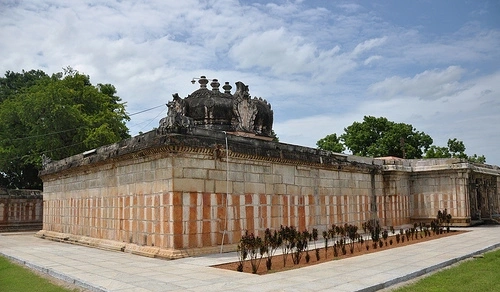
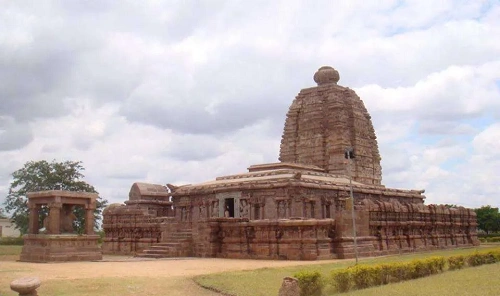
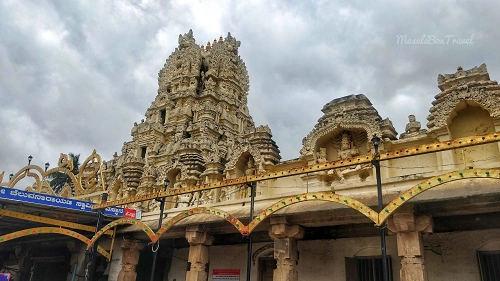
The sacred Balkampet Yellamma Temple located in Hyderabad is one of the most revered temples dedicated to Yellamma, a powerful form of Goddess Parvati.
The temple is especially famous for its unique underground idol, which is located nearly 10 feet below ground level inside a natural water spring. Because the idol is always surrounded by water, the goddess here is also worshipped as Jala Durga, meaning the goddess who resides in water.
Devotees believe that the holy water from this natural spring has healing powers, particularly for skin diseases and chronic ailments. Many pilgrims visit the temple to collect this sacred water, known as Theertham.
Although the temple is centuries old, it gained major popularity in recent decades and has now become one of the most visited temples in Hyderabad. Every week, thousands of devotees visit the shrine to seek blessings for health, prosperity, and protection.
The temple becomes extremely crowded on Tuesdays, Fridays, and Sundays, which are considered auspicious days for goddess worship.
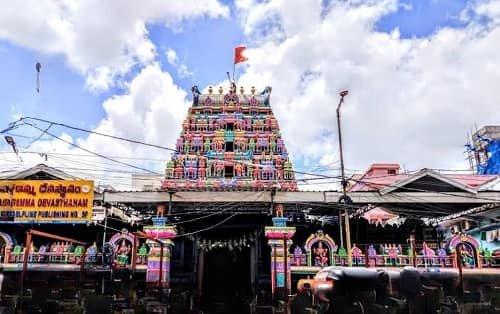
1. Daily Balkampet Yellamma Temple Timings
The temple follows a daily schedule with a short afternoon break.
Darshan Timings
| Session | Timing |
| Temple Opening | 6:00 AM |
| Morning Darshan | 6:00 AM – 1:00 PM |
| Afternoon Break (Closed) | 1:00 PM – 3:00 PM |
| Evening Darshan | 3:00 PM – 8:00 PM |
| Temple Closing | 8:30 PM |
Special Festival Timings
During major festivals such as Bonalu and the Yellamma Kalyanotsavam, the temple often remains open continuously and sometimes until 11:00 PM or later.
These festivals attract massive crowds.
2. Daily Rituals and Sevas
Several rituals and offerings take place every day inside the temple.
Seva Schedule
| Ritual | Timing | Ticket Cost |
| Abhishekam | 6:00 AM – 11:00 AM | ₹200 |
| Kumkuma Archana | 9:00 AM – 12:00 PM | ₹20 – ₹100 |
| Nitya Kalyanam | 10:30 AM (Approx.) | ₹1,100 |
| Aarti | 12:30 PM / 7:30 PM | Free |
Holy Water (Theertham)
The sacred water from the underground spring is distributed to devotees.
Many people believe that this water helps cure skin problems and long-term illnesses.
For this reason, the morning session is usually the best time to collect the holy water.
3. History and Spiritual Significance
The history of the temple dates back to the 15th century.
Discovery of the Idol
According to local tradition, villagers discovered the idol while digging a well in the area.
Despite attempts to move the stone, it could not be removed. This was interpreted as a divine sign that the goddess wanted to remain there.
As a result, the temple was built around the sacred spot.
Renuka Devi Connection
The goddess worshipped here is believed to be a form of Renuka Devi, who is considered the mother of Parashurama.
In South India, Renuka Devi is widely worshipped as Yellamma, a powerful protective goddess.
Jala Durga
Since the idol remains submerged in natural spring water, devotees worship the goddess as Jala Durga, the water form of the Divine Mother.
4. Architectural Features
Although smaller than many major temples, the architecture of Balkampet Yellamma Temple is unique.
Underground Sanctum
The main sanctum is located below ground level and contains the idol placed within a well-like structure.
Devotees must look down into the spring to see the goddess.
Natural Water Source
The water surrounding the idol comes from a natural underground spring, which flows continuously throughout the year.
This makes the temple spiritually distinctive among goddess temples.
5. Major Festivals in 2026
Yellamma Kalyanotsavam (June / July)
This festival celebrates the celestial wedding of the goddess.
It is the biggest festival of the temple and attracts lakhs of devotees.
Bonalu Festival (July – August)
The temple becomes one of the major centers of Bonalu celebrations in Hyderabad.
Women carry decorated pots of offerings to the goddess during this festival.
Navaratri (October 2026)
During the nine days of Navaratri, the goddess is decorated in different forms each day.
Special poojas and cultural events take place.
6. Best Time to Visit Balkampet Yellamma Temple
- Ideal Season: October to February is the most comfortable time to visit Hyderabad due to pleasant weather.
- Best Day: Weekdays are much less crowded than weekends.
- Best Time: Early morning between 6:00 AM and 8:00 AM offers the most peaceful darshan experience.
7. Dress Code and Visitor Guidelines
Visitors are encouraged to wear traditional attire.
For Men
- Dhoti
- Formal trousers and shirt
- Shorts should be avoided.
For Women
- Saree
- Salwar Kameez with dupatta.
Temple Rules
- Footwear must be removed before entering the temple.
- Photography is not allowed inside the sanctum.
- Devotees should maintain discipline and silence in the prayer halls.
8. How to Reach Balkampet Yellamma Temple
The temple is located in the Balkampet area of Hyderabad and is easily accessible.
By Air
Nearest airport: Rajiv Gandhi International Airport
Distance: about 35 km.
By Train
Nearest railway station: Secunderabad Junction
Distance: around 8 km.
By Metro
Nearest metro stations:
- Ameerpet Metro Station
- SR Nagar Metro Station
Both are within walking distance of the temple.
9. Where to Stay Near Balkampet Yellamma Temple
Since the temple is located inside Hyderabad city, there are many accommodation options nearby.
- Budget Hotels: Several lodges and budget hotels are available around Ameerpet and SR Nagar.
- Mid-Range Hotels: Visitors can stay in hotels located in Banjara Hills, Punjagutta, or Begumpet, which are only a short drive away.
FAQs
Q1. Why is Balkampet Yellamma Temple famous?
Ans: It is famous for the underground goddess idol located in a natural spring.
Q2. What is the holy water here?
Ans: The sacred spring water is called Theertham, believed to have healing properties.
Q3. Which days are most crowded?
Ans: Tuesdays, Fridays, and Sundays.
Q4. How long does darshan take?
Ans: Usually 30–60 minutes, but longer during festivals.