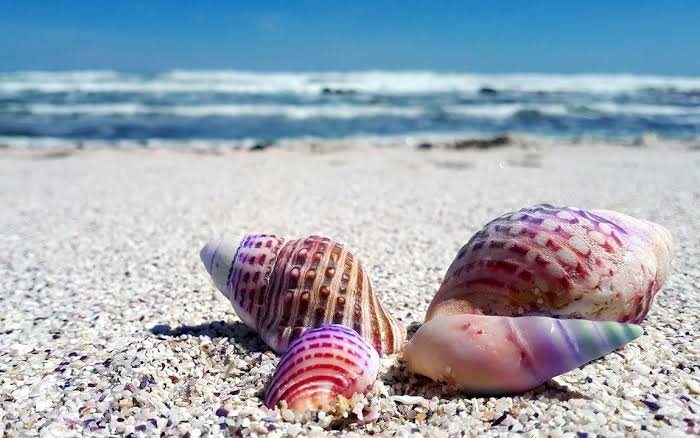
Is collecting seashells from beaches legal in India? Picking up a few common, empty shells on an ordinary public beach isn’t singled out for punishment in the sources I found, but the Wild Life (Protection) Act, 1972 protects a list of marine mollusc species, their possession is an offence even when the shell is dead, and many coastal and island areas are protected zones where collecting is restricted. The trouble for a casual beachcomber is that the protected shells are often the showy ones and are hard to tell from legal ones. This is general information, not legal advice.
What to Keep in Mind
- Protected species: a defined set of marine molluscs sits on the Wild Life (Protection) Act’s schedules
- Dead shells count: possession of protected species or their parts can be an offence even if the animal is long dead
- Live animals: never take a shell with a living creature inside
- Protected places: marine national parks, sanctuaries and island reserves have stricter rules
- Penalty for the highest-protection species: three to seven years’ imprisonment, as set out below
What the Act Covers
The protection is species-based.
- Only 24 marine mollusc species are included in Schedules I and IV of the Act, about 0.7% of those found in India, according to a paper on marine molluscs in illegal wildlife trade, though that figure is a few years old
- The same paper says 11 of 136 ornamental mollusc species recorded were protected under the Act
- The larger shells such as the Triton, the Pineapple Shell and the Helmet Shell are sold as souvenirs, according to the same study
- The Act reorganised its schedules in 2022, so the current list may differ from older sources, and I couldn’t check it
Shells People Often Don’t Realise Are Listed
Some familiar shapes are on the schedules.
- A 2009 seizure of conches in Delhi included the Bull Mouth and Horn Helmet, both listed under Schedule I, which also includes items like ivory and tiger skin, according to People for Animals
- Other shells in that seizure were Spider Conch, Limacina Cowrie, Top Shell and Trapezium Conch, according to the same source
- National Geographic reports that the spider conch and the green turban are listed under the Act and illegal to harvest, and that the scorpion conch and the trapezium horse conch are among the rare species the Act aims to safeguard
- The Directorate of Revenue Intelligence lists the Trapezium Horse Conch under Schedule II and black and soft corals under Schedule I, according to Deccan Herald, so sources differ on which schedule a given shell sits in
Dead Shells Aren’t a Loophole
This is the part most visitors miss.
- The Act protects animals, and parts and articles made from them, so a protected species’ shell can attract the same treatment whether or not the animal is alive
- Dead black corals and dead soft corals were seized in the DRI case alongside six Trapezium Horse Conches, according to Deccan Herald
- People For Animals warns against buying conches and shells for a pooja table or as bangles and ornaments, because possession of protected ones can make you liable, according to its article
- Only items with ownership certificates for education, scientific research and management are excluded, according to the same source
The Penalties
They’re severe for listed species.
- Section 51 of the Act punishes contraventions with imprisonment of up to three years, a fine of up to ₹1 lakh or both, according to the Act’s text
- For offences involving Schedule I animals or their parts, the minimum imprisonment is three years, extendable to seven, with a minimum fine, according to Wikipedia
- Section 51A places conditions on bail, according to the same source
- In the 2009 Chandigarh seizure, shopkeepers were arrested under Sections 9, 39, 44, 50 and 51, entailing three to seven years’ imprisonment with a possible ₹35,000 fine each, according to People for Animals, which I can’t match to the current penalty text
Where Collecting Is Restricted
Place matters as much as species.
- Many areas of the Andaman Islands are protected under laws that restrict collection of shells and other marine resources, according to Andaman Tourism
- That site advises collecting only empty shells with no living organisms, avoiding bulk collection and checking local permissions, since certain areas may prohibit shell collection
- The Gulf of Mannar and the Gulf of Kutch have Marine National Parks, according to Wikipedia, and my understanding is that national park rules bar removing animals and parts from them
- The Coastal Regulation Zone notification of 1991 gives protection to marine resources, according to the same source
The Andaman Warning
The islands are the hardest case.
- An old Quora answer says you can’t lift dead coral or sea shells from the beaches and bring them to mainland India, and suggests buying from the Samudrika Museum’s curio shop, though that’s an informal answer about a decade old
- Taking shells back to the mainland also exposes you to checks at airports and ports
- Buying from a government-run outlet at least gives you a receipt and a lower risk
The Souvenir Trade
Commercial collecting is the main target.
- In Kanyakumari, mountains of newly harvested mollusc shells, with the animals still inside, dry near the beach before being cleaned in oil and acid, according to National Geographic, and one worker said his facility handles 30 to 100 tons of shells a month
- Rameswaram in the Gulf of Mannar is the main collection centre and Thoothukudi a processing hub, according to Beauty Without Cruelty
- In 2016, four lorries carrying 90 tonnes of protected sea shells were seized by the Wildlife Crime Control Bureau, and in April 2023 the Maharashtra Forest Department seized 30 tonnes of Capiz shells, according to the same source
What About Exporting or Carrying Them Abroad?
International rules add another layer.
- India’s Export Policy 2012 permits sea shells and handicrafts made from them to be exported freely, but subject to the Wild Life (Protection) Act and CITES regulations, according to Beauty Without Cruelty
- A few species, notably the queen conch, chambered nautilus and giant clam, are protected under CITES, according to National Geographic
- So even a legally bought shell can be confiscated at customs in another country
Empty Shells and Wildlife
Ecology gives a reason for restraint.
- Marine creatures often use the shells of those that have died: octopuses use clamshells as shelter and hermit crabs use empty gastropod shells as protection, according to Beauty Without Cruelty
- Removing large numbers from one beach strips homes from animals that live there
- Even where it isn’t illegal, taking a handful is very different from filling a bag
How to Stay on the Right Side
A short routine helps.
- Leave any shell with a living animal inside, including hermit crabs
- Skip large, striking shells such as helmets, tritons, conches, giant clams and any coral, since those are the ones most likely to be protected
- Stay out of marine national parks, sanctuaries and island reserves unless a permit says otherwise
- Take only a few small common shells, such as ordinary bivalve halves, as keepsakes, and leave the rest
- If unsure, photograph the shell and leave it
- Buy souvenirs only from licensed government outlets, and keep receipts
When You’re Not Sure
Identification is the problem.
- Many species look alike, and the Act’s schedules use scientific names, so a beachgoer can’t easily tell a listed shell from an unlisted one
- A forest department office or marine biologist can identify a find, and the Act’s offence applies regardless of ignorance, so asking before carrying a rare-looking shell is the lower-risk choice
What Officials Do
Seizure is common, prosecution varies.
- Raids have targeted markets, trade fairs, shops and consignments, according to People for Animals and Beauty Without Cruelty
- Individual tourists are rarely the focus, but possession of a scheduled species is an offence whoever holds it
Where the Sources Disagree
Some details don’t line up.
- Which schedule certain shells fall in, since the 2022 amendment changed the lists and sources differ on species
- The penalty figures in older news reports versus the current Act
- There’s no clear India-specific source saying that picking up a few common empty shells on an unprotected public beach is lawful, so my reading rests on the species-based structure of the Act
- Some of the sources are advocacy pages, so check the current schedules with the forest department
FAQs
Q1. Is collecting seashells from beaches legal in India?
Taking a few common empty shells on an ordinary beach isn’t singled out, but protected species, live animals and shells from restricted areas are offences.
Q2. Is it illegal to keep dead protected shells?
Yes, possession of protected species or their parts can be an offence even if the animal is dead, with penalties up to seven years for Schedule I species.
Q3. Can I take shells from the Andaman Islands?
Be very cautious. Many Andaman areas restrict collection, the advice is to take only empty shells if allowed, and carrying shells to the mainland can be checked.